Engaging Introductions: Capturing Your Audience’s Interest
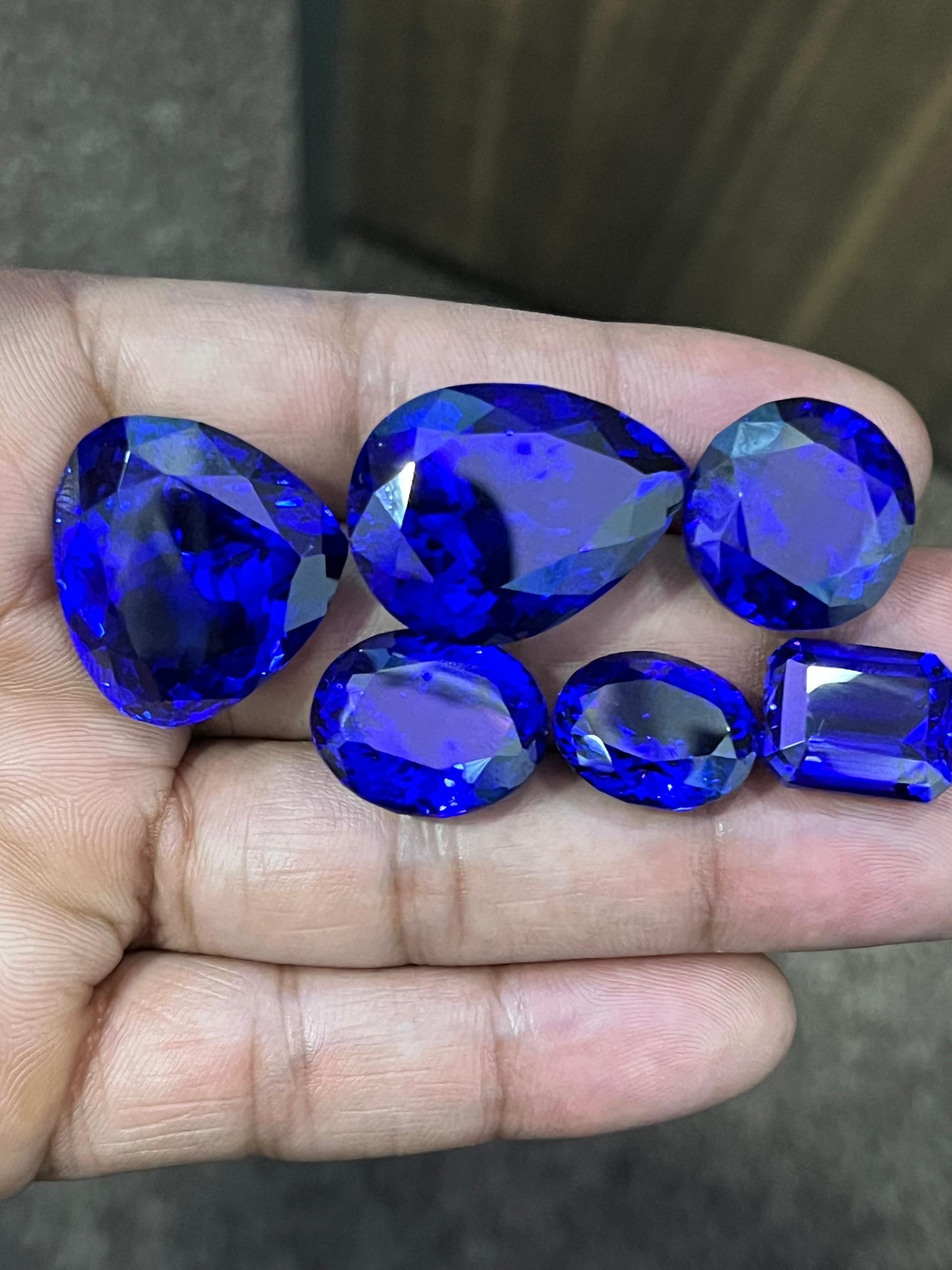
For over a decade, East Africa’s artisanal and small‑scale mining (ASM) sector was dismissed by institutional investors as too risky, too opaque, and too fragmented. That narrative has changed. In 2025 alone, three European commodity funds quietly deployed over $45 million into licensed small‑scale gold and tanzanite operations in Tanzania and Kenya. The driver is not charity – it is arithmetic.
The structural shift
Three forces are converging. First, the global scramble for conflict‑free, OECD‑compliant minerals has made traceability non‑negotiable. Large‑scale mines cannot meet demand for ethically sourced coloured gemstones. Second, the Tanzanian government’s formalisation push – including streamlined Primary Mining License (PML) renewals and stricter enforcement against smuggling – has created a class of auditable, license‑secured miners. Third, the supply of AAAA tanzanite and high‑grade gold from Geita is tightening, pushing prices upward. Investors who enter now secure off‑take agreements before the next price rally
What institutional capital looks for
We see three distinct investor profiles:
(1) Private equity funds seeking 3‑5 year holds with projected IRRs of 25‑40% from mechanisation upside;
(2) Family offices allocating 5‑10% of portfolio to tangible assets like gold dore and investment‑grade rough;
(3) Jewellery houses securing direct supply to bypass Mwanza and Arusha middlemen. Each requires different structuring – from equipment‑as‑equity to fixed‑price offtake. Zaka Consortium has executed all three in the past 18 months.
The due diligence that makes it possible
You cannot fund what you cannot verify. Our Due Diligence Vault begins with physical validation of the PML or ML at the Tanzania Mining Commission – not a PDF scan. We then conduct site inspections: tailings volume, existing machinery condition, neighbouring claims, and water access. We also analyse three months of royalty receipts; if the miner claims 500g per month, the government stamp duty must match. Only after these steps do we prepare a Confidential Investment Memorandum for our capital partners.
How you can deploy capital in 90 days
Zaka Consortium’s deployment timeline is realistic, not theoretical:
- Week 1: NDA and confidential intake (capital range, target commodity, risk appetite)
- Weeks 2‑4: On‑ground due diligence and geological summary
- Weeks 5‑6: JV structuring or equipment‑equity term sheet
- Weeks 7‑8: Escrow setup and capital transfer
- Weeks 9‑12: Equipment delivery and first production reporting
We do not hold your funds. Capital moves directly from your escrow account to the miner’s nominated equipment supplier or operating account. You retain audit rights and first right of refusal on future production.
Key takeaway for investors
The window for high‑margin entry is open but narrowing. As more institutional capital enters, asset prices (both mining claims and gemstone parcels) will rise. Early movers secure better terms and higher grade material.
Request our “Investor Due Diligence Checklist” – a 12‑point framework used by our institutional partners. Email connect@zakaconsortium.com with subject “DD Checklist” or WhatsApp +254 722 845 650.*
🔒 All inquiries protected by NDA. Response within 18 hours.